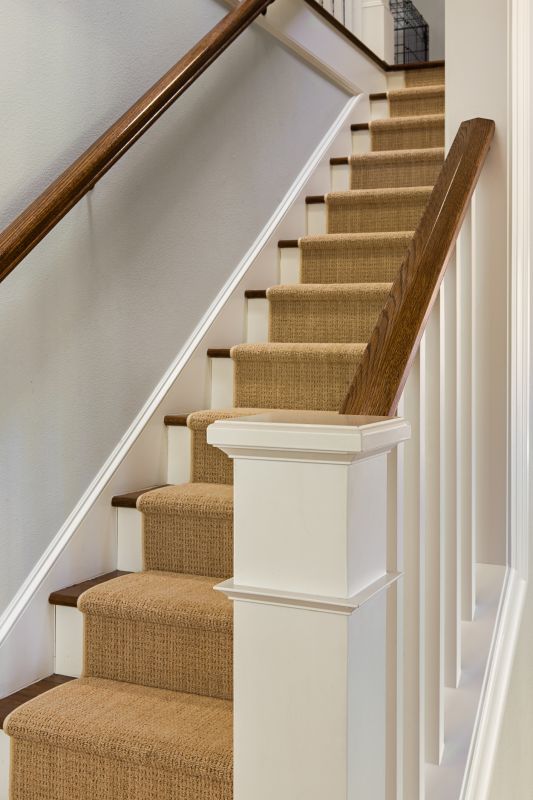
Banister Sanding in Alpharetta, GA
Banister sanding services involve the careful smoothing and refinishing of wooden banisters, staircases, and handrails to restore their appearance and functionality. This process is commonly requested for residential projects such as updating older staircases, preparing wood surfaces for staining or painting, or addressing surface imperfections like scratches, dents, and rough patches. Homeowners typically want to understand the scope of sanding, the types of finishes that can be applied afterward, and how the process can improve the overall look and safety of their stairways.
Before requesting banister sanding, property owners should consider the condition of the wood, the desired final finish, and any specific preferences for stain or paint. It’s important to communicate whether the goal is to preserve the natural wood grain or to achieve a particular color or sheen. Additionally, understanding the extent of sanding needed-whether surface-level or deeper refinishing-can help set realistic expectations for the results. Proper preparation and clear communication can ensure the project meets the homeowner’s aesthetic and functional goals.
Many property owners in Alpharetta, GA look into Banister Sanding for repairs, replacements, upgrades, and appearance-related improvements.
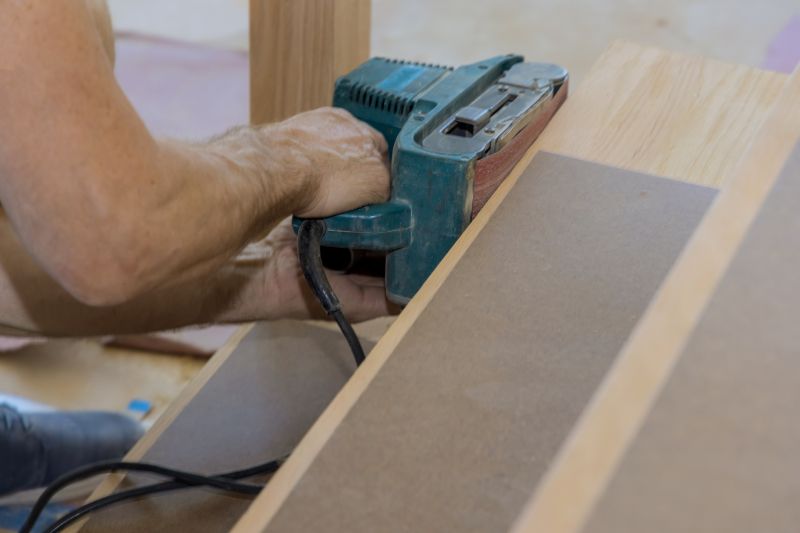
Floor Refinishing
Banister sanding restores worn and scratched wood floors to a smooth, polished finish.
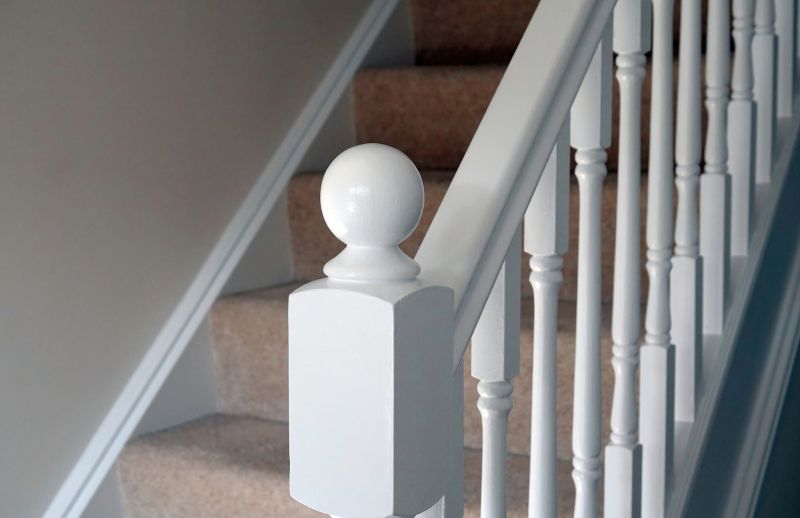
Surface Preparation
Proper sanding prepares wood surfaces for staining, sealing, or finishing projects in homes and businesses.
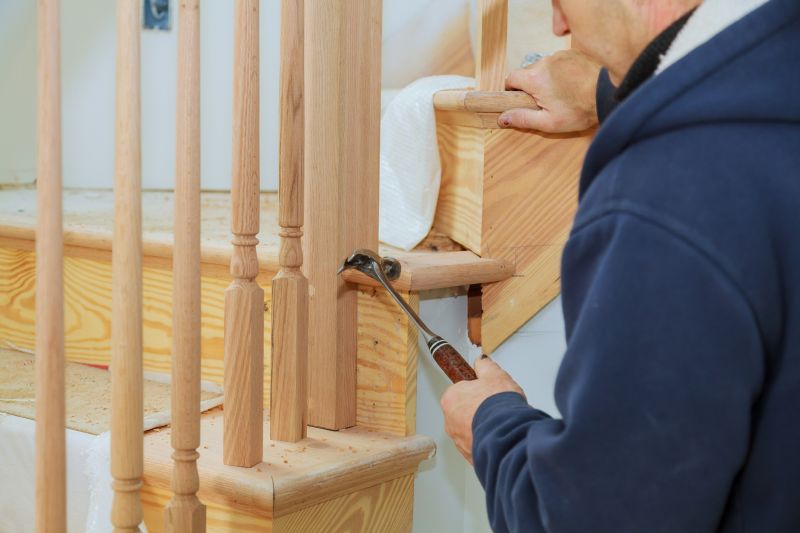
Restoration And Repair
Sanding can help repair surface damage and bring new life to aged or damaged wood floors in alpharetta homes.
Banister Sanding in Alpharetta, GA
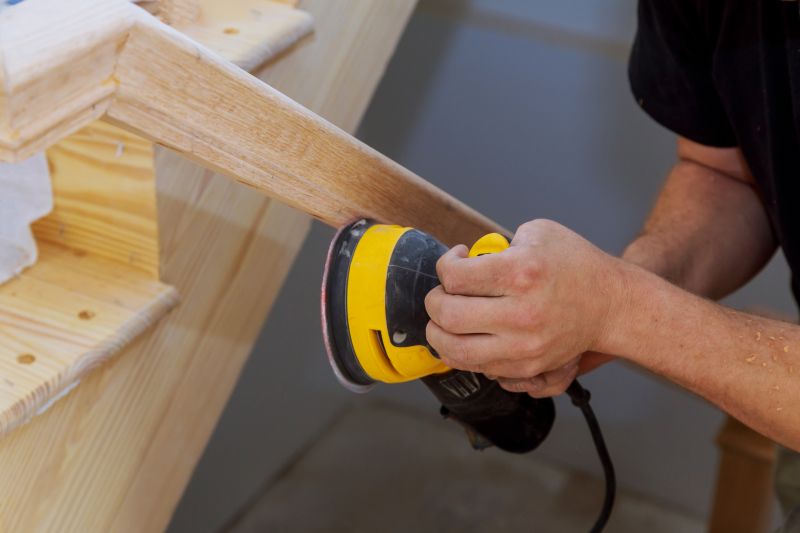
Banister sanding services involve the careful smoothing and refinishing of wooden banisters, staircases, and handrails to restore their appearance and functionality. This process is commonly requested for residential projects such as updating older staircases, preparing wood surfaces for staining or painting, or addressing surface imperfections like scratches, dents, and rough patches. Homeowners typically want to understand the scope of sanding, the types of finishes that can be applied afterward, and how the process can improve the overall look and safety of their stairways.
Before requesting banister sanding, property owners should consider the condition of the wood, the desired final finish, and any specific preferences for stain or paint. It’s important to communicate whether the goal is to preserve the natural wood grain or to achieve a particular color or sheen. Additionally, understanding the extent of sanding needed-whether surface-level or deeper refinishing-can help set realistic expectations for the results. Proper preparation and clear communication can ensure the project meets the homeowner’s aesthetic and functional goals.
Many property owners in Alpharetta, GA look into Banister Sanding for repairs, replacements, upgrades, and appearance-related improvements.
Common Banister Sanding Jobs
Wood floor restoration - smooths out scratches and restores the natural beauty of hardwood surfaces.
Furniture sanding - prepares and refines furniture surfaces for refinishing or repainting projects.
Deck and patio sanding - removes surface imperfections to improve appearance and prepare for sealing.
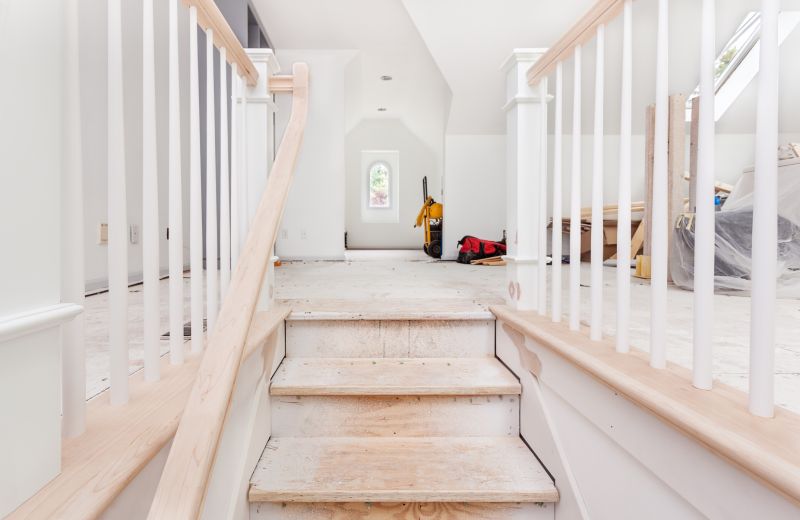
Staircase sanding - enhances safety and aesthetics by smoothing worn or splintered stair surfaces.
Floor refinishing prep - prepares existing flooring for stain or sealant application to achieve a fresh look.
Surface smoothing for renovations - evens out surfaces during remodeling to ensure a polished final result.

Banister Sanding Questions
What types of floors can be sanded? Sanding services typically work on hardwood, engineered wood, and some softwood floors to restore their appearance.
Is sanding suitable for all wood floor conditions? Sanding is effective on floors with surface wear or minor damage, but heavily damaged or warped floors may require additional repairs.
What finishes can be applied after sanding? A variety of finishes, including stains, sealers, or clear coats, can be applied to enhance and protect the wood surface.
How often should hardwood floors be sanded? Generally, hardwood floors can be sanded every 10 to 15 years, depending on wear and tear, to maintain their look.
Request Banister Sanding in Alpharetta, GA
Use the quote form on this page to share the basics of your project and request more information for the type of work you need.